
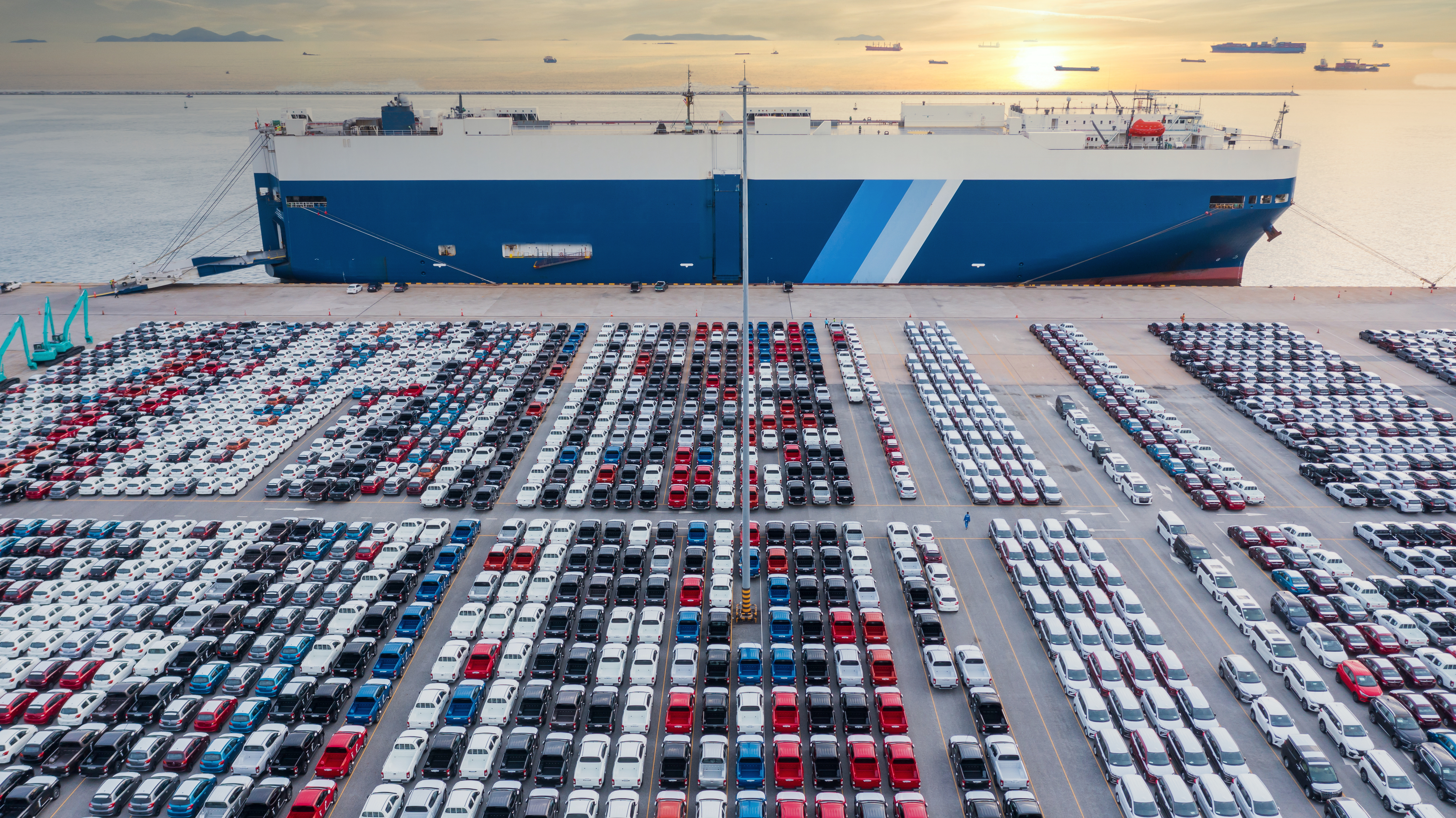
Why Japan?
Japanese cars remain a top choice in East Africa for their reliability, fuel economy and auction transparency. 2025 also brings stricter emission rules in Tanzania, making late-model Japanese hybrids especially attractive.
Step-by-Step Import Process
1 Research Models & Regulations
Check age limits (max 10 years for Tanzania in 2025), confirm spare-parts availability, and note excise tiers (engine ≥ 2000 cc pays higher duty).
2 Choose a Trusted Exporter or Auction Agent
Verify JUMVEA membership and ask for recent JEVIC inspection reports. ESTI Logistics can vet exporters and manage payment security.
3 Secure a Pro-forma Invoice & Pay Safely
• Pro-forma invoice lists FOB price + freight. • Use LC or escrow; avoid direct TT to unknown sellers.
4 Ship: Ro-Ro vs. Container
Ro-Ro is cheaper (≈ USD 850) but exposes the car to the elements; a shared container adds ~USD 500 yet protects valuables inside.
5 Prepare Mandatory Documents
Original Bill of Lading
Commercial Invoice & Export Certificate (Dereg)
JEVIC Road-worthiness Certificate
Insurance Certificate (if applicable)
6 Clear at Dar es Salaam or Tanga Port
ESTI Logistics’ clearing team lodges the manifest in TANCIS, pays port charges online, and schedules physical inspection within 48 hours of vessel arrival.
7 Pay Duties & Taxes (2025 Rates)
Expect: Import Duty 25 %, VAT 18 %, Excise 0–15 % (engine size), Railway Development Levy 1.5 %.
8 Register & Hit the Road
Finalize traffic-police inspection, pay registration fee (TZS 150,000), and receive plates within one working day.
Common Pitfalls to Avoid
• Ignoring age or emission caps—vehicle could be rejected. • Using personal accounts for payment—risk of fraud. • Under-declaring value—leads to heavy penalties.
Ready to Start?
ESTI Logistics can handle every step—from auction bidding to final registration—so you only focus on choosing your dream ride.